🧸 How to Identify Safe Baby Toys for 0-12 Months
During your baby’s first year, playtime isn’t just fun, it’s an important part of learning and development. But picking the correct toys can be difficult for parents. Many toys may look cute and safe. But some pacifiers can have hidden dangers. These include small parts that can cause choking, sharp edges that can scratch, or materials with harmful chemicals.
Safe baby toys are designed to protect your little one while keeping them entertained and engaged. They are free from toxins, have smooth edges, and are built to match your baby’s developmental stage.
In this guide, we’ll walk you through how to spot safe toys, what materials to look for, and which safety standards matter. You’ll learn how to avoid hidden hazards and feel confident about every toy you give your child. After all, safe play is happy play, and a safe baby is every parent’s top priority.
✔️ Understanding Baby Toy Safety Standards
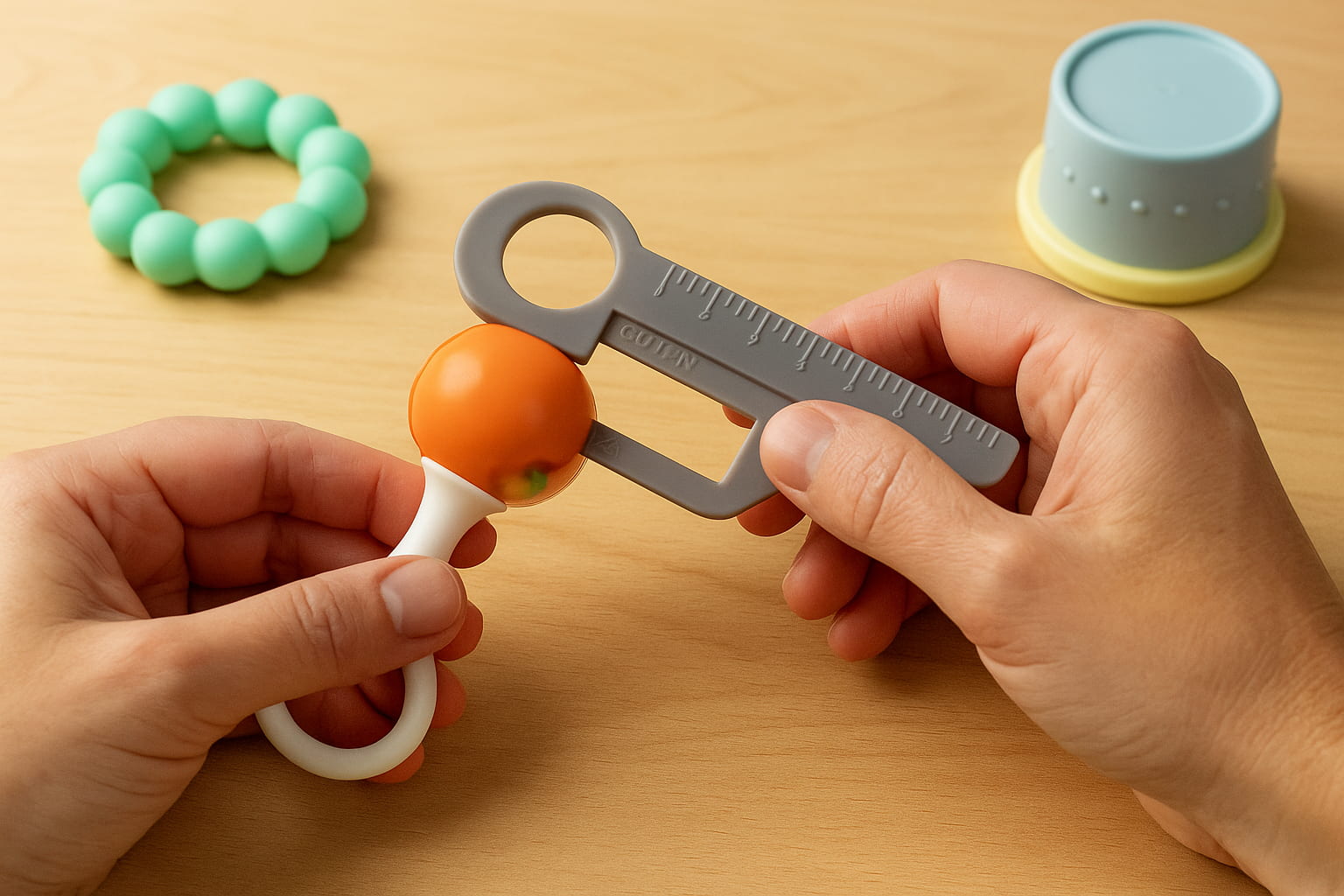
Before buying baby toys, parents should understand the safety rules that guide how toys are made. These standards protect little ones by keeping harmful materials and unsafe designs out of their playthings.
Key safety standards to know:
✔ 🇺🇸 CPSIA (Consumer Product Safety Improvement Act) – Ensures toys do not contain dangerous chemicals and meet strict U.S. safety rules.
✔ 🇺🇸 ASTM F963 – Tests toys for choking hazards, sharp edges, and overall durability.
✔ 🇪🇺 EN71 (Europe) – Similar safety checks, confirming toys are non-toxic and safe for babies.
What to look for on packaging:
✅ “ASTM F963 Certified”
✅ “Meets CPSIA Standards”
✅ “CE” mark (for Europe)
These labels show that the toy has passed important safety testing. By checking for them, parents can feel confident they are choosing safe and fun baby toys for the first year.
🍼 Age-Appropriate Toys for 0-12 Months
Choosing toys that match your baby’s age is key to both safety and development. Babies grow quickly, and their play needs change every few months.
For 0-3 months, soft rattles, high-contrast cloth books, and plush toys are ideal. These help with early vision and sound awareness.
From 4-6 months, babies enjoy teething rings, textured balls, and crinkly fabric toys to explore touch and taste safely.
Between 7-9 months, babies enjoy stacking cups and lightweight shakers. Simple activity gyms also help them practice movement and coordination.
By 10-12 months, push-along toys, large block sets, and shape sorters keep them active while improving problem-solving skills.
Matching toys to your baby’s stage ensures safer play and supports healthy growth at every milestone.
🔍 Key Safety Features Every Baby Toy Should Have
When shopping for your baby’s toys, safety should always come first. The best toys for infants have smooth, rounded edges to prevent cuts or scrapes. They should be made without small or detachable parts that could pose a choking hazard.
Non-toxic paint and BPA-free materials are also important since babies often put toys in their mouths. A sturdy build ensures the toy won’t break easily, keeping your little one safe during play.
Always check for labels that confirm the toy meets safety standards for your country. This gives you extra peace of mind.
👉 Looking for feeding products that are safe, too? See our guide on baby feeding sets that prevent choking.
🚫 Common Hazards to Avoid in Baby Toys
Not every baby toy is actually safe. Some have hidden dangers that can harm little ones, especially during their first year. One of the biggest risks is small detachable pieces, these can break off and become a choking hazard.
Magnets are another danger, as swallowing even one can cause serious internal injuries. Toys with cords or strings longer than 7 inches can wrap around a baby’s neck, creating a strangulation risk.
Finally, watch for toxic finishes like lead paint or harmful dyes. Babies often explore with their mouths, so any unsafe coating can be dangerous.
By knowing these hazards, you can quickly spot unsafe toys before they reach your baby’s hands, keeping playtime safe and stress-free.
🧪 Material Matters: Safe vs Unsafe Toy Materials
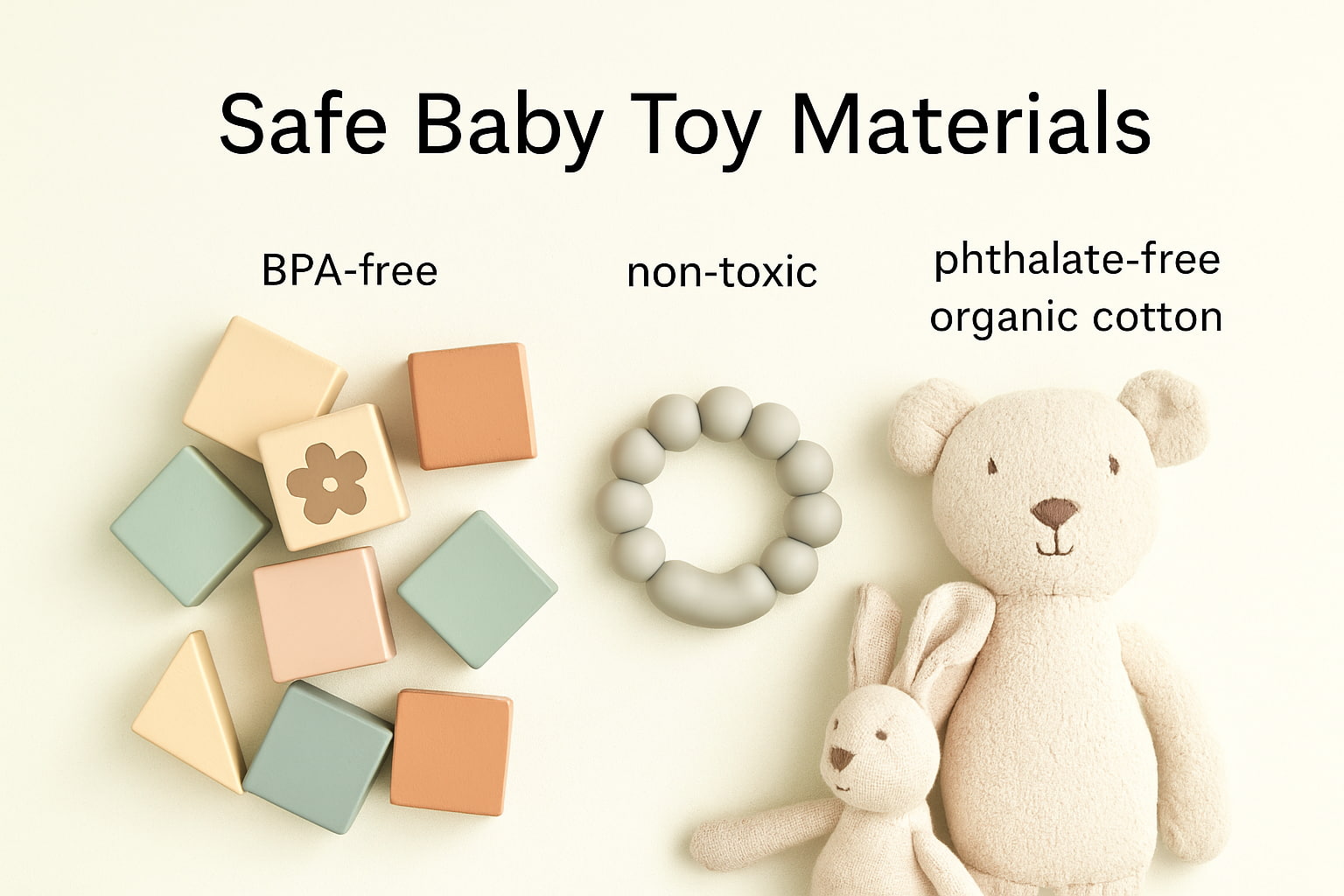
The materials used in your baby’s toys play a big role in safety. Safe baby toys are often made from BPA-free plastics, organic cotton, and untreated wood. These materials are gentle, non-toxic, and easy to clean, perfect for curious mouths and tiny hands.
Avoid toys made with lead paint, phthalates, or PVC, as these can be harmful if chewed or sucked on. Even small amounts of these chemicals can affect a baby’s health over time.
Look for toys with safety certifications and labels that clearly state they are free from harmful substances. Choosing safe materials not only protects your child but also gives you peace of mind. Remember, the simpler and more natural the toy’s material, the safer it usually is for your little one.
🧼 How to Clean and Maintain Baby Toys Safely
Choosing the correct baby toys is just as important as keeping them clean. Since babies often put toys in their mouths, germs can build up quickly. Regular cleaning helps protect your baby’s health and makes toys last longer.
Simple cleaning methods for different toy types:
✔ Soft toys – Wash in warm water with baby-safe detergent. Let them air-dry fully.
✔ Plastic or silicone toys – Clean with mild soap and warm water, or place in a baby-safe dishwasher.
✔ Wooden toys – Wipe gently with a damp cloth and allow to dry naturally.
Always avoid harsh chemicals like bleach, as they can leave dangerous residue. A safe cleaning routine not only keeps toys germ-free but also ensures safer play every day.
👉 Curious about self-feeding tools? Check our Munchkin vs NumNum spoon comparison for safe and parent-approved options.
👀 How to Spot Wear and Tear Before It Becomes Dangerous
Even the safest baby toys can turn risky over time if they become worn or damaged. Regular checks are key to keeping playtime safe. Look closely for cracks in hard plastic toys; they can create sharp edges. Peeling paint is another red flag, as it could expose harmful materials.
For soft toys, check the stitching. Loose threads or seams can break, exposing stuffing that might be a choking hazard. Bite marks on teething toys or rattles can weaken the material, making it easier to break.
A good habit is to inspect toys every week and after each rough play session. If you notice any damage, it’s best to repair it immediately or replace the toy. A quick check can make a big difference in keeping your baby safe.
🧩 Toy Types That Encourage Safe Play
In the first year, babies explore the world through touch, taste, and sound. Picking the right toy types helps keep playtime safe while supporting healthy development.
Great toy choices for safe play:
✔ Rattles – Build hand-eye coordination and are safe when made from BPA-free materials.
✔ Teethers – Soothe sore gums, especially when made from food-grade silicone.
✔ Soft blocks – Fun for stacking and knocking down without risk of injury.
✔ Sensory cloth books – With crinkly pages and bright colors, they spark curiosity and are gentle on little hands.
Each of these toys should be lightweight, easy to hold, and free from detachable small parts. By choosing these safe options, you give your baby the chance to learn and explore without unnecessary risks. Safe toys mean worry-free play for parents and joyful discoveries for little ones.
📦 What to Check Before Buying a Toy
Before you hand a new toy to your baby, it’s important to do a quick safety check. Simple steps can prevent risks and give you peace of mind.
Things to check before buying:
✔ Age recommendation – Make sure the toy is labeled safe for babies under 12 months. This reduces the chance of small parts or unsafe features.
✔ Recall lists – Visit the U.S. Consumer Product Safety Commission (CPSC) recall page. Even trusted brands can have recalls, so it’s worth checking.
✔ Brand reputation – Choose toys from companies with a strong safety record. These brands usually test their products more carefully and follow strict safety rules.
Taking just a few minutes to check labels, recalls, and brand reliability can make a big difference in keeping your little one safe during playtime.
📌Fact Box
According to the U.S. Consumer Product Safety Commission in 2023, an estimated 154,700 children aged 12 or younger were treated in U.S. emergency rooms for toy-related injuries, highlighting the importance of safe baby toy choices.
💬 Parents’ Feedback and Real-Life Tips
Many parents believe the best toy choices come from real-life experiences, not just what the packaging claims. Moms and dads often highlight a few common favorites.
Popular parent-approved picks:
💬 Soft fabric toys – Perfect for the early months, safe and cuddly.
💬 Sturdy BPA-free teethers – A must once teething begins.
💬 Lightweight, easy-to-grip toys – Ideal for tiny hands still learning to hold.
Parents also recommend rotating toys often. This keeps playtime fresh and fun without overwhelming your baby.
Other real-life tips include avoiding toys with loose stitching, weak seams, or detachable decorations, since these can be unsafe. One final piece of advice repeated often: always read safety labels and age recommendations before buying. This quick step helps prevent accidents and ensures the toy matches your baby’s stage of growth.
👉 Want your baby to sip safely too? Explore our Skip Hop vs Munchkin cup comparison for spill-free drinking options that match your child’s needs.
🧠 Final Verdict – Safe Play Starts with Smart Choices
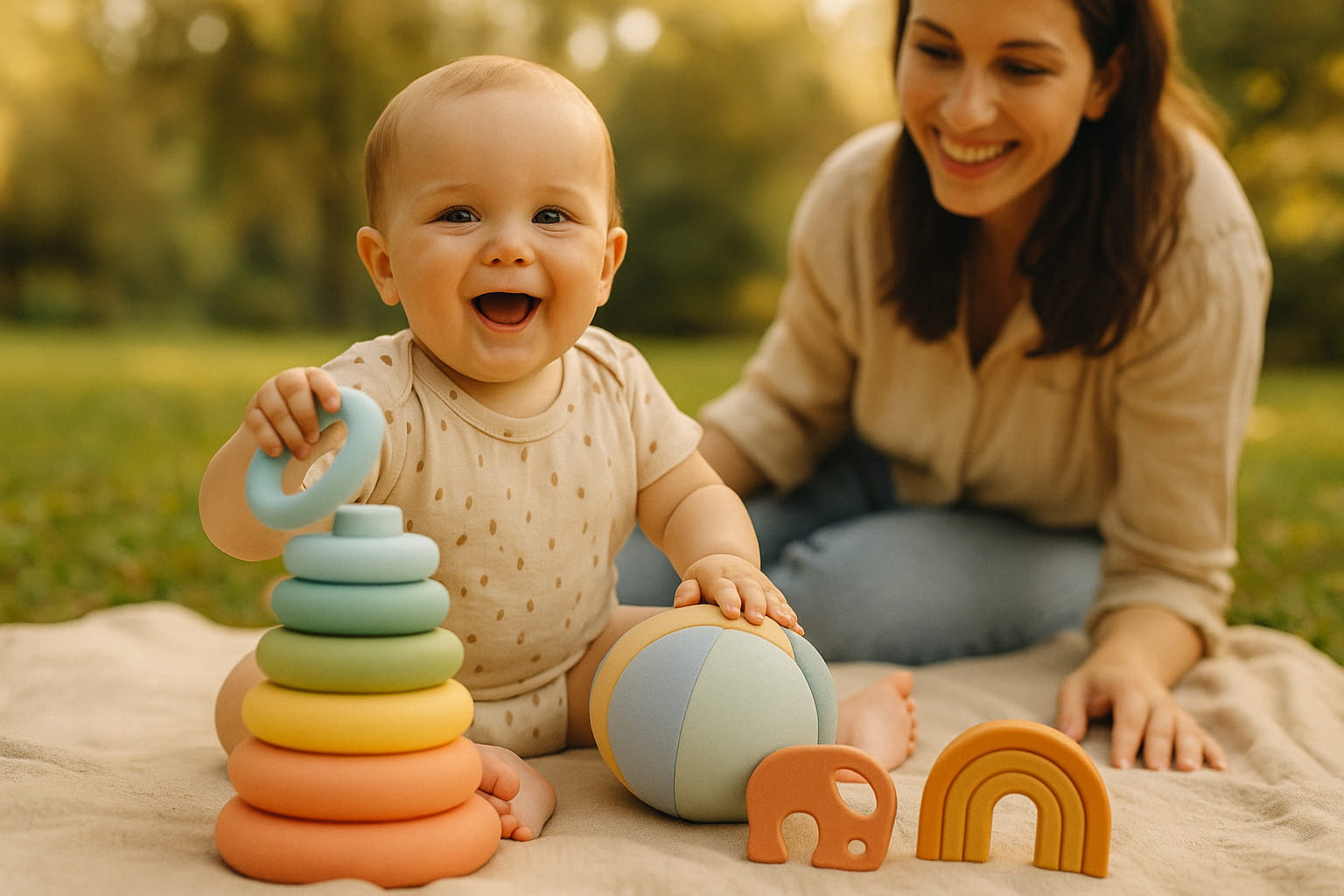
During your baby’s first year, playtime isn’t just fun, it’s how they learn about the world. But with that curiosity comes risk. Choking hazards, sharp edges, and unsafe materials can quickly turn a joyful moment into an emergency. That’s why choosing safe baby toys should always be a top priority.
Check safety labels and pick designs that match your baby’s age. Also, inspect toys often for any damage to reduce possible dangers. Keep an eye out for small parts, toxic paints, and loose components.
Remember, safe toys do more than prevent accidents; they support healthy development by encouraging exploration in a protected way. Whether it’s a soft rattle, a teething ring, or a stacking toy, the right choice today sets the stage for worry-free play tomorrow.
Safe play begins with smart choices, and your baby’s safety is worth every extra second you take to choose wisely.
❓ FAQ: Safe Baby Toys for 0–12 Months
Are wooden toys safer than plastic?
Not always. Wooden toys are durable and often free from harmful chemicals, but they must be smooth, splinter-free, and painted with non-toxic finishes. Plastic toys can also be safe if they are BPA-free, phthalate-free, and meet safety standards.
How often should I replace baby toys?
Inspect toys regularly for cracks, loose parts, or worn edges. Replace them as soon as you see damage or if they no longer meet your baby’s age needs.
What’s the safest teether material?
Food-grade silicone is one of the safest teether materials. It’s soft, durable, and easy to clean. Natural rubber is also safe if free from harmful additives.
⚖️ Disclaimer:
This content is for informational purposes only and is not a substitute for professional safety advice.
✍️ Byline:
Written with care by the FindForBaby team – helping parents make safer choices every day.