🏠 Why Furniture Safety Matters for Growing Families
Furniture safety tips from pediatricians often start with one clear fact: many home injuries can be prevented. Each year, thousands of children visit the ER because a dresser tips, a TV stand falls, or a coffee table corner causes a cut. Most of these happen in living rooms and bedrooms where kids spend the most time.
Babies and toddlers are curious. They pull, climb, and reach for things without knowing the danger. Even sturdy furniture can tip if a child leans or climbs on it. Sharp edges, unstable shelves, and loose cords also pose risks.
The good news? Many hazards are easy to fix with the right tools and habits. Simple changes, like anchoring furniture, adding corner guards, or securing cords, can make your home safer in minutes.
👩⚕️ What Pediatricians Recommend for Preventing Furniture-Related Injuries
Furniture safety tips from pediatricians focus on stopping injuries before they happen. Pediatricians often warn that heavy furniture, like dressers and bookshelves, can tip if a child climbs or pulls on them. They recommend anchoring these items to the wall as the first step.
Other advice includes:
✔ Use corner guards to soften sharp edges on tables and shelves.
✔ Keep cords, chargers, and electronics out of reach.
✔ Lock cabinets that hold heavy or dangerous items.
✔ Store toys low, so kids don’t need to climb to reach them.
These steps are supported by safety studies and pediatric injury data. They reduce the risk of major incidents at home and are easy to perform.
✅ Read our Furniture Babyproofing in Apartments vs Houses: What Changes? for practical tips based on your living space.
🧱 Anchor Heavy Furniture to Prevent Tip-Overs
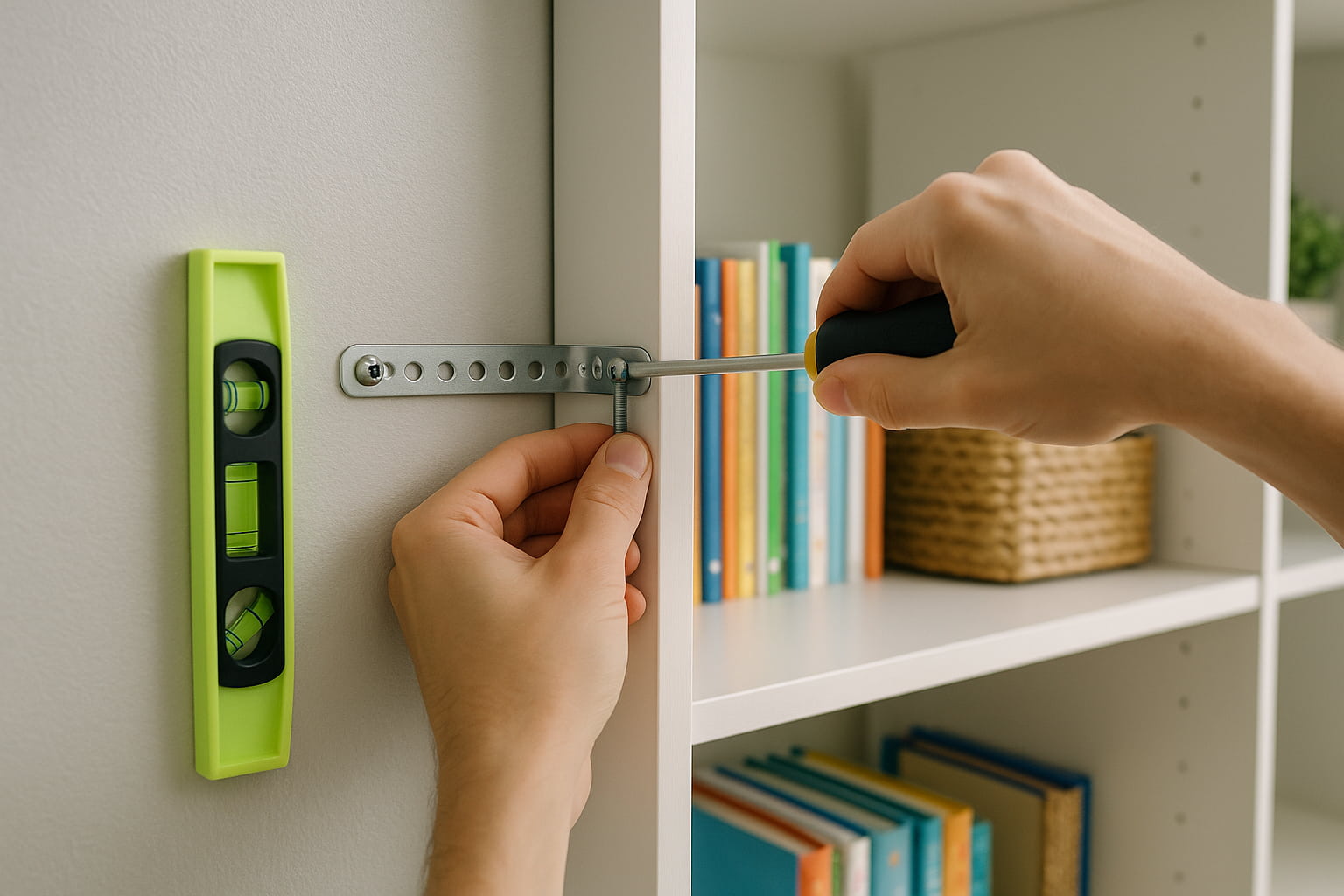
Anchoring is one of the most important ways to keep your child safe. Heavy furniture, like dressers, bookshelves, and TV stands, can tip if pulled or climbed on. This can cause serious injury.
Securing your furniture to the wall can greatly reduce this danger.
✔ Wall anchors work best for permanent setups and heavier pieces.
✔ Anti-tip straps are great for lighter furniture or rentals where you can’t drill.
✔ Always attach at the right height and into a stud for maximum strength.
Choose the right system for your home, and check the anchors or straps often to make sure they are still tight.
Want to know which method is best for your home? See Wall Anchors vs Anti-Tip Straps: Which Is Safer for Your Baby? for a full side-by-side guide.
🪵 Soften Sharp Edges and Corners
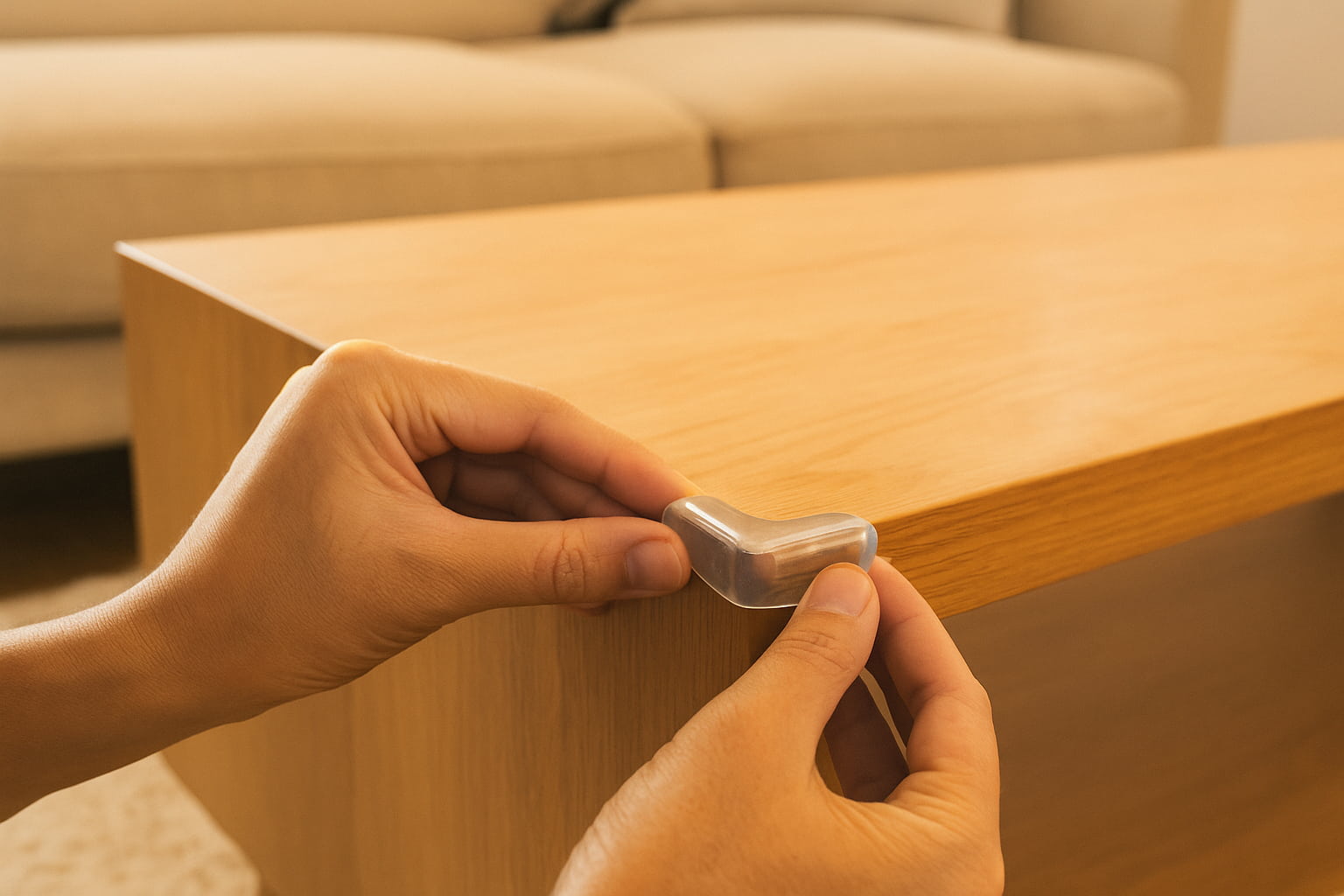
Furniture safety tips from pediatricians often include protecting sharp edges. Corners on coffee tables, TV stands, and shelves can cause cuts or bruises if a child falls.
You can make these areas safer with simple tools:
🧽 Corner guards – Soft covers that fit over sharp table corners
📏 Edge bumpers – Long foam or rubber strips for hard edges.
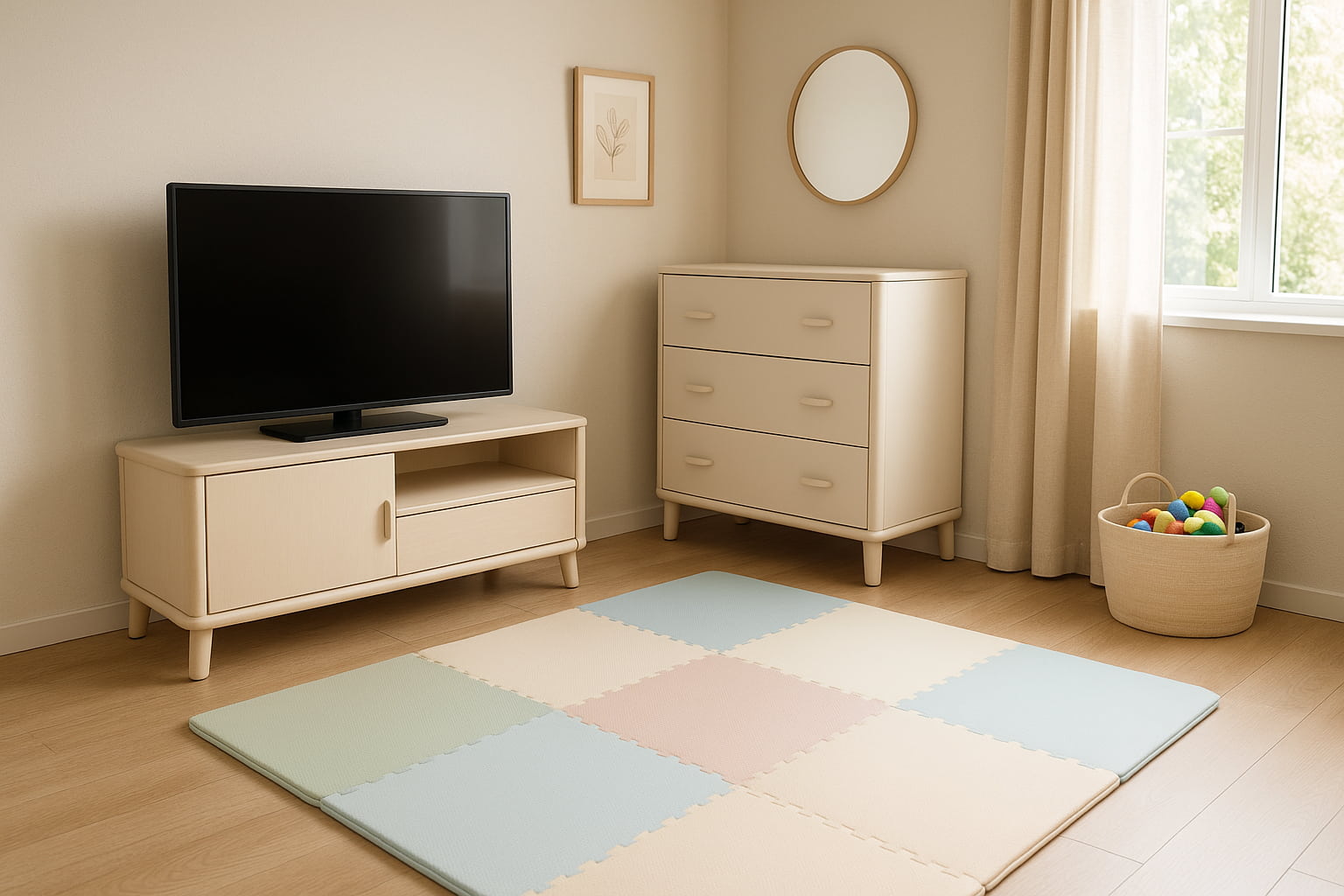
🧸 Soft mats – Cushioned floor mats around play areas and furniture.
Pick guards and bumpers that stick well but remove cleanly when needed. For glass tables, clear silicone guards blend in better. On wooden furniture, foam options work well.
A few small changes can prevent many injuries and give you more peace of mind while your child plays.
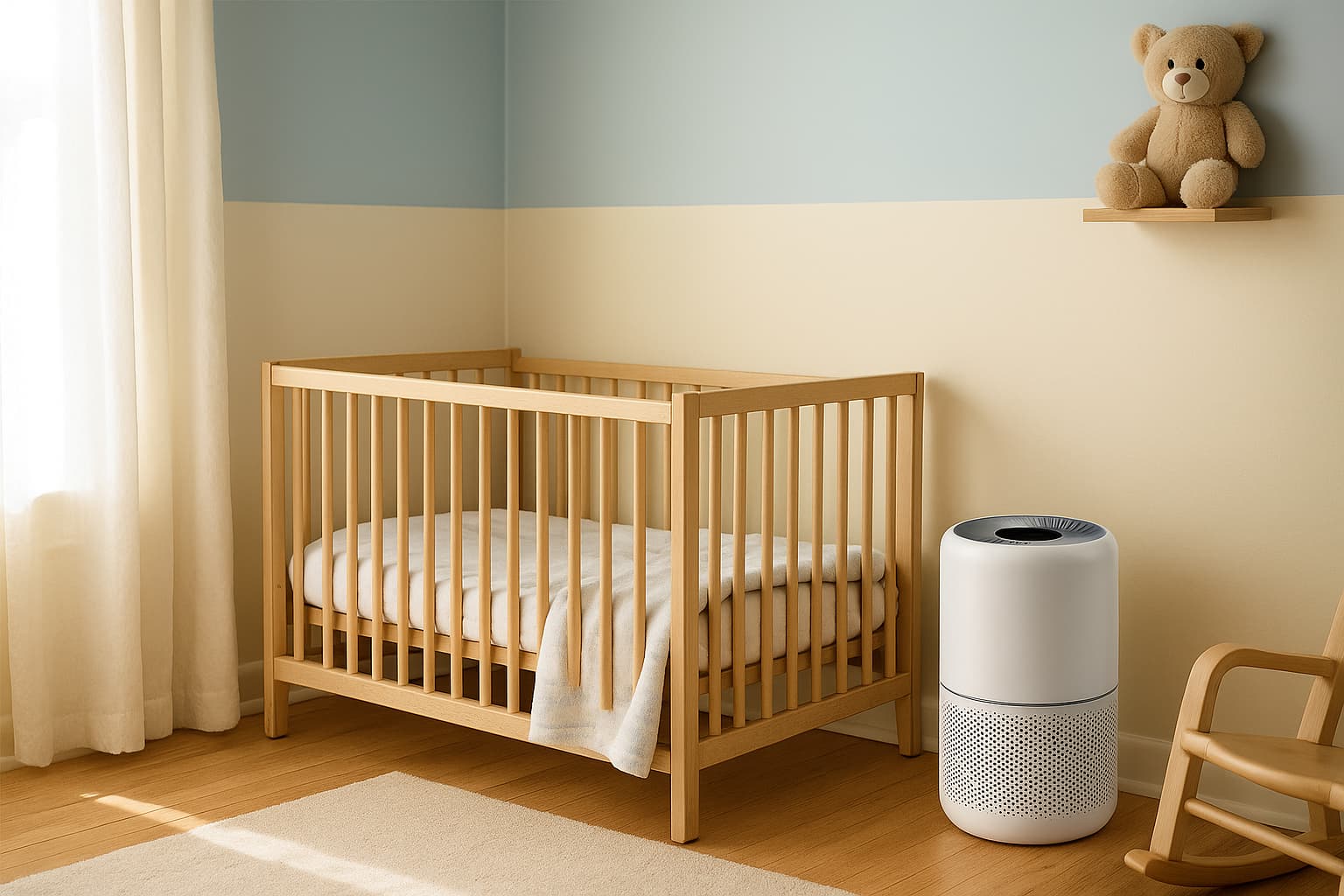
📏 Choose the Right Height & Stability for Nursery and Living Room Furniture
Furniture safety tips from pediatricians stress picking pieces that are stable and low to the ground. Tall, narrow furniture can tip more easily, especially if a child climbs or pulls on it.
When shopping for new pieces, look for:
📐 Low height – Keeps the center of gravity down.
🪑 Wide base – Adds balance and stability.\
🔧 Sturdy build – Solid wood or well-made metal frames hold up better.
Avoid lightweight items that wobble or shift on hard floors. For nursery furniture, make sure cribs, dressers, and shelves meet current safety standards. In the living room, heavier TV stands and bookshelves should always be anchored, even if they seem stable.
Small design choices now can prevent big accidents later.
🧸 Safe Storage Solutions to Keep Hazards Out of Reach
Small objects can be dangerous for babies and toddlers. Choking hazards include small toys, coins, and batteries. Keeping them out of reach is the safest choice.
Closed storage works best.
📦 Bins with lids – Perfect for toys and art supplies.
🚪 Cabinets with locks – Store remotes, chargers, and craft tools.
📚 High shelves – For items you use often but don’t want kids touching.
Always check the floor for dropped items. Even something as small as a button can be risky. In shared spaces like the living room, teach older children to store their belongings safely after play.
A few smart storage choices can make your home much safer without losing comfort or style.
📺 TV Safety – Why Pediatricians Warn About Unstable Stands
A falling TV can cause serious injuries to small children. Many accidents happen when kids try to climb the stand or pull on the screen.
To keep your TV safe:
🪛 Wall-mount it – The TV stays out of reach thanks to a solid wall mount.
🛡️ Use anti-tip straps – If wall mounting isn’t possible, straps connect the TV to the wall or stand.
🚫 Avoid unstable stands – Choose wide, sturdy bases that can’t tip over easily.
Keep cords hidden so kids can’t pull on them. Always check that screws and mounts are tight. A few minutes of setup can remove a major hazard from your living space.
📊 Fact Box
According to ThedaCare, more than 14,000 children are treated in U.S. emergency departments each year due to furniture tip-overs, most of them under age 6.
🔥 Babyproof Heat Sources and Fragile Glass Furniture
Fireplaces, heaters, and glass tables can be dangerous for babies. Hot surfaces can burn skin in seconds. Glass can break and cause cuts.
To make your home safer:
🛡️ Use heat guards – Place a barrier around fireplaces or heaters.
🪵 Add a play yard – Create a safe zone that blocks access.
🧼 Choose tempered glass – It breaks into smaller, safer pieces if damaged.
🚫 Avoid unstable glass tables – Babies may try to pull up on them.
Always supervise play in rooms with heat or glass. Even with barriers, keep these areas off-limits when you’re not nearby.
🚪 Secure Doors, Cabinets, and Entryways
Doors and cabinets can be dangerous for little ones. Fingers can get pinched. Babies can reach unsafe items or wander into risky areas.
Simple tools can keep them safe:
🛡️ Baby gates – Block access to certain rooms or stairs.
🔒 Cabinet locks – Keep breakables, cleaning supplies, and tools out of reach.
✋ Finger pinch guards – Stop doors from slamming on tiny fingers.
Check all doors and cabinets that your child can reach. Lock or block them before they explore. A few minutes of setup can prevent serious injuries.
🛋️ Want to see how these fit into your whole living room setup? Check our Living Room Furniture Babyproofing Guide for step-by-step safety checks.
⚡ Hide and Manage Electrical Cords Around Furniture
Loose cords can be a big danger for babies. They can pull on them, chew them, or trip over them.
You can make your space safer with a few changes:
🔌 Outlet covers – Block access to open sockets.
📦 Cord concealment kits – Hide cords along walls or behind furniture.
🛋️ Smart furniture placement – Move furniture to cover plugs and keep cords out of reach.
Check for cords behind TVs, lamps, and chargers. Keep them short, hidden, and tight to the wall. This not only keeps your child safe but also makes the room look neat.
🧼 Regular Safety Checks – Maintaining a Baby-Safe Home
Babyproofing is not a one-time job. Over time, straps can loosen, guards can shift, and anchors may weaken.
Set a routine to check these items:
🔍 Anchors and straps – Make sure they are still tight and secure.
🛡️ Corner guards and bumpers – Replace if they peel or wear down.
🚪 Locks and gates – Test latches to see if they still hold firmly.
Do this every month or after moving furniture. A quick check can prevent accidents and keep your home safe for your little one. Staying consistent is key to long-term protection.
📌 Final Checklist – Furniture Safety Tips from Pediatricians You Can Trust
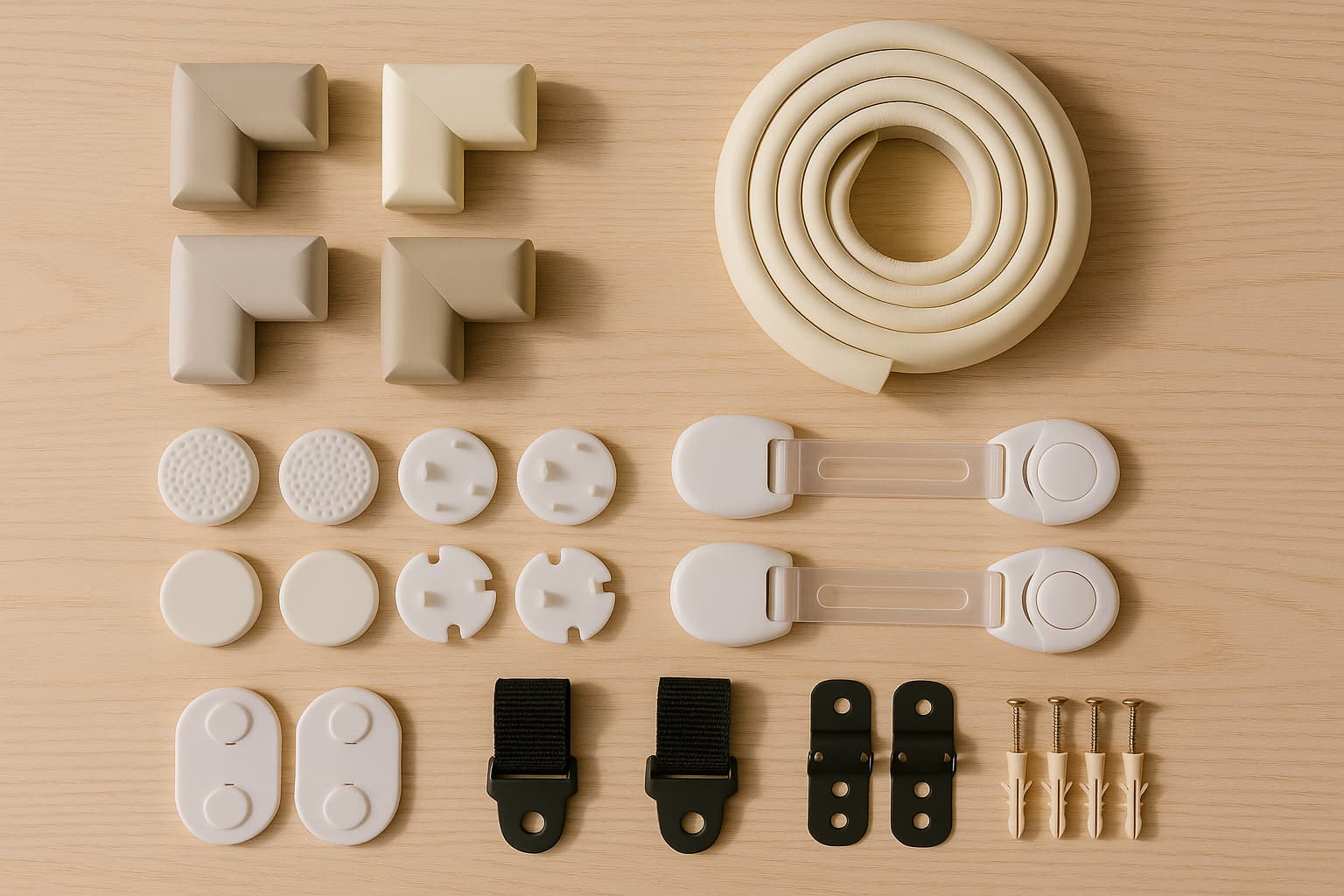
Before you wrap up, here’s a quick way to make sure your home meets the safety standards pediatricians recommend. This checklist takes the main points from the article and puts them in one place so you can act fast.
✔ Anchor heavy furniture – Dressers, bookshelves, and TV stands should be secured to the wall to stop tip-overs.
✔ Soften sharp edges – Use corner guards, edge bumpers, or soft mats to prevent injuries during play.
✔ Keep hazards out of reach – Store small items, cords, and batteries in closed cabinets or bins.
✔ Secure entry points – Install gates, locks, and finger guards to control access and avoid pinches.
✔ Do regular safety checks – Inspect straps, guards, and anchors monthly to keep protection strong.
A few minutes with this checklist can make a big difference in keeping your child safe every day.
Disclaimer
Disclaimer: This article is for informational purposes only and does not replace professional medical or safety advice. Always follow manufacturer guidelines and consult certified child safety experts for installation.
Writer’s Byline
Written by the Safety & Parenting Editorial Team – dedicated to helping parents create safer homes with expert-backed advice.