🛡️ How to Keep Baby Naps Safe and Comfortable During Car Rides
Car rides can calm a baby fast. The motion and hum feel cozy. However, napping in a car requires planning and care. This guide shows you how to handle baby naps during car rides with safety first and comfort close behind. Simple steps you can take at the moment will be explained to you. No fancy gear needed.
Keep trips calm and short when you can. Check the harness each time. Make sure it sits snug on light clothing. Avoid pillows, loose blankets, and extra add-ons. Watch your baby’s head and neck position. If a nap starts in the car, transfer to a safe sleep space once you park.
Use this quick checklist before you drive:
✅ Harness snug on thin layers
✅ No loose items in the seat
✅ Car is cool, not hot
Small habits build trust. With clear steps and calm choices, you can keep car naps safe, smooth, and stress-free.
2️⃣ Why Babies Often Fall Asleep in the Car
Many parents notice that babies drift off in the car. The ride feels safe and steady, almost like a gentle cradle. The hum of the engine also acts like white noise. Both together calm your baby fast.
Here are the main reasons:
✔ Motion rocks the body, like being held.
✔ The steady sound blocks sudden noise.
✔ A cozy seat makes them feel snug.
✔ The dim car light can signal sleep time.
While this looks sweet, naps in the car are not the same as naps in a crib. Car seats are made for travel, not long sleep. Babies can slump forward or get too warm. Parents should enjoy the calm but remember to put safety first once the trip ends.
3️⃣ The Pros and Cons of Baby Naps During Car Rides
Car naps can be helpful, but they also come with risks. Parents often see them as a quick fix, yet it’s good to know both sides.
Pros
- Helps soothe a fussy baby.
- Gives parents a short break.
- Works well during long trips.
Cons
- Sleep is lighter than crib naps.
- Risk of poor posture in the seat.
- Can disrupt bedtime routines.
While the car may calm your baby, it should not replace regular sleep in a safe space. The goal is balance, using car naps only when needed and making sure crib sleep is still the main rest time.
➡️ Still unsure about which way your baby should face? Check our full breakdown of Rear-Facing vs Forward-Facing Car Seats for safer travels in 2025.
4️⃣ Car Seat Safety and Nap Time Risks Parents Must Know
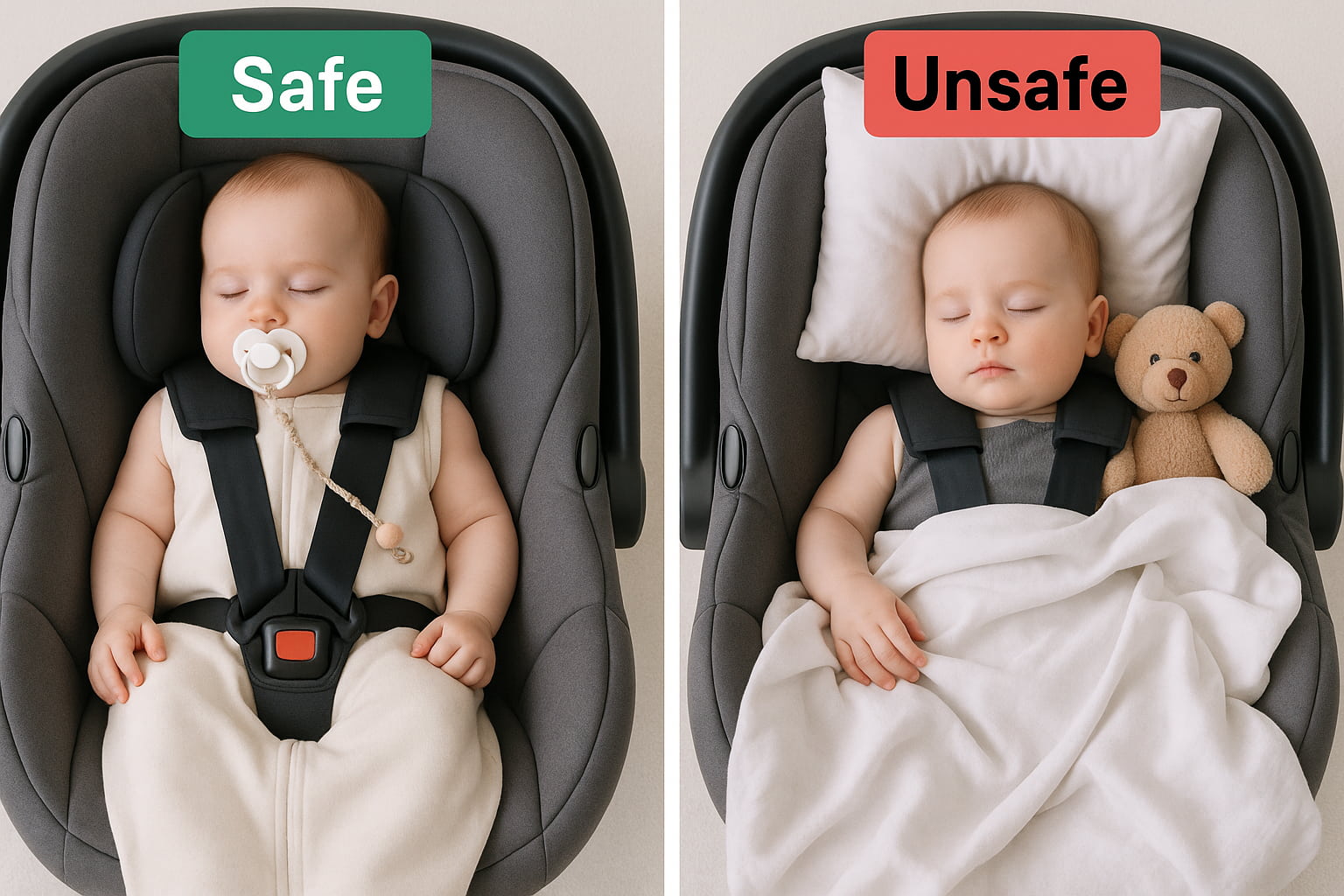
Car seats are built for safe travel, not for prolonged naps. When babies sleep in them for too long, risks can rise. Their head may tilt forward, which can block airflow and make breathing harder. This is called positional asphyxia, and it is one of the main dangers.
Another risk is overheating. Cars can warm up fast, and with a baby sleeping, you may not notice signs like sweating or flushed cheeks. Straps that are too loose or too tight can also add to the danger.
The safest way is to use the car seat only during rides. Once home, move your baby to a flat, firm sleep surface like a crib.
5️⃣ Creating a Safe Nap Environment in the Car
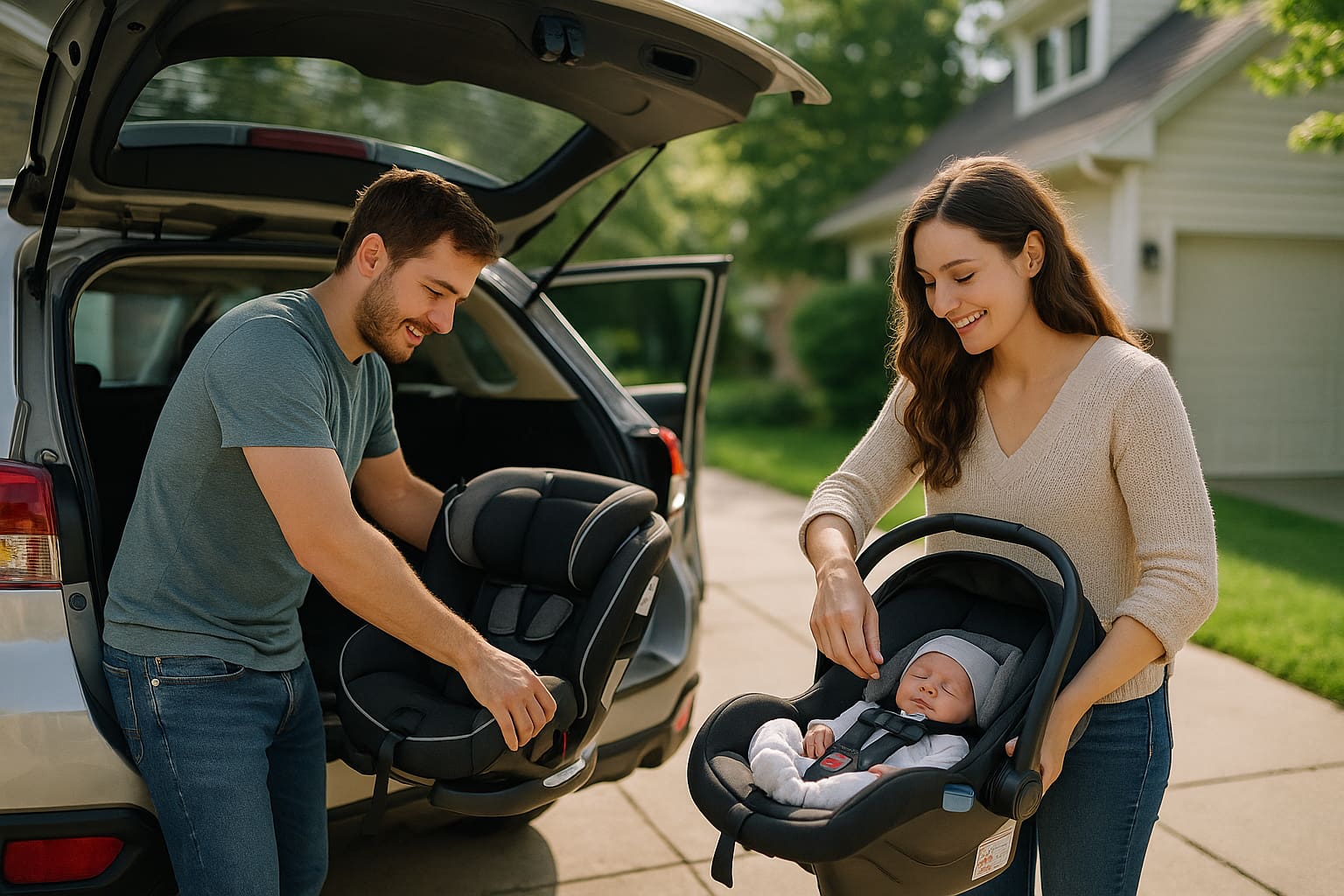
If your baby dozes off during a ride, you can still take steps to keep things safe. First, always keep the harness snug and the chest clip at armpit level. This helps your baby stay in the right position.
Avoid bulky jackets or thick blankets under the straps. Instead, dress your baby in light layers and add a blanket over the harness if needed.
Keep the car cool with steady airflow, so your baby doesn’t overheat. Make sure their head stays upright and not slumping forward.
At last, never leave your baby solo in the car seat. Even short breaks can be risky. Staying close helps you notice any signs of trouble right away.
6️⃣ Timing Car Rides Around Nap Schedules
Planning trips around your baby’s nap schedule can make rides calmer for everyone. Babies often feel more settled when the car ride matches their natural sleep times. Try to leave for errands or longer drives right before a regular nap. This way, your little one may drift off quickly without much fuss.
Car naps are not as peaceful as crib sleep, although short trips can also result in shorter naps. If possible, balance travel naps with solid crib naps at home.
Avoid driving too close to bedtime, since it can confuse your baby’s sleep routine. Keeping a rhythm helps both your baby and you feel less stressed.
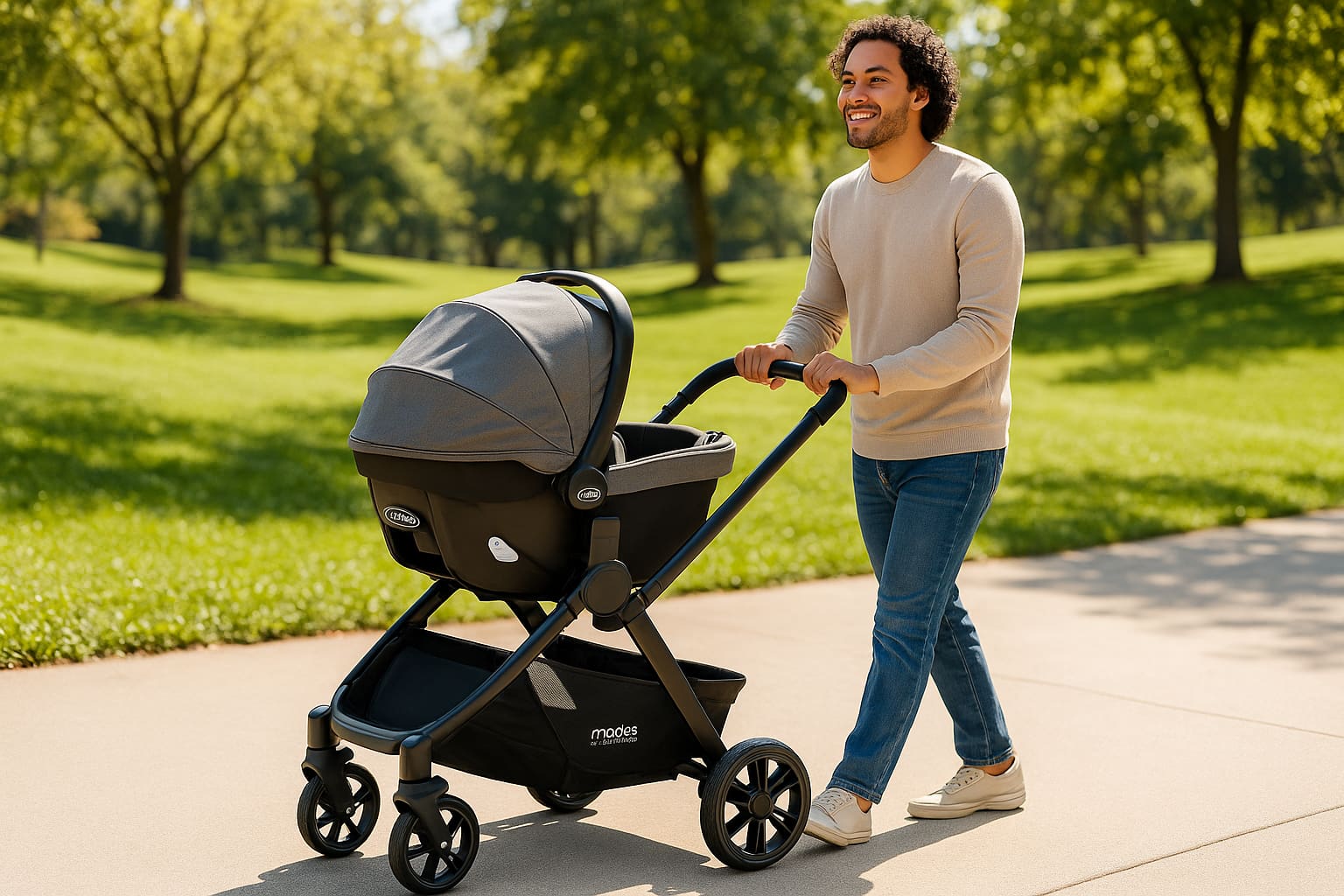
➡️ Want smoother trips? Our Infant Carriers vs Travel Systems Guide helps parents plan baby travel better in 2025.
7️⃣ Using Gentle Sounds and Routines to Help Baby Relax
Babies love gentle sounds that remind them of the womb. Soft music, white noise, or a calm hum can make car rides soothing. These sounds help block out sudden noises and guide your baby toward rest.
Simple routines also build comfort. For example, giving your baby a cuddle before buckling in or always using the same soft blanket can signal it’s time to relax. A calm voice and slow breathing from you can also set the mood.
Keeping these small habits consistent makes your baby feel safe. Over time, your little one learns that car rides mean calm moments, not stress. Routines bring comfort and help naps come more easily.
8️⃣ Comfort Items That Are Safe (and Unsafe) for Car Naps
When it comes to car naps, not every comfort item is safe. Some can even raise risks.
Safe items include:
- A thin, breathable blanket tucked over the harness.
- A pacifier to soothe your baby.
- A soft toy clipped safely out of the face area.
Unsafe items include:
- Pillows or cushions that can block airflow.
- Loose blankets that may cover the face.
- Stuffed animals placed on or near the chest.
The key is keeping the car seat clear. Items should never interfere with the straps or baby’s breathing space. Simple, light comforts are best. They calm your baby without adding hidden risks.
📌 Why Some Comfort Items Can Be Risky in Car Seats
Did you know, the American Academy of Pediatrics even soft things like pillows or blankets can be risky in a car seat? It’s not just about comfort; loose items can slip, block your baby’s breathing, or even turn into projectiles if you hit the brakes suddenly.
9️⃣ Temperature Control: Keeping Baby Cozy and Safe
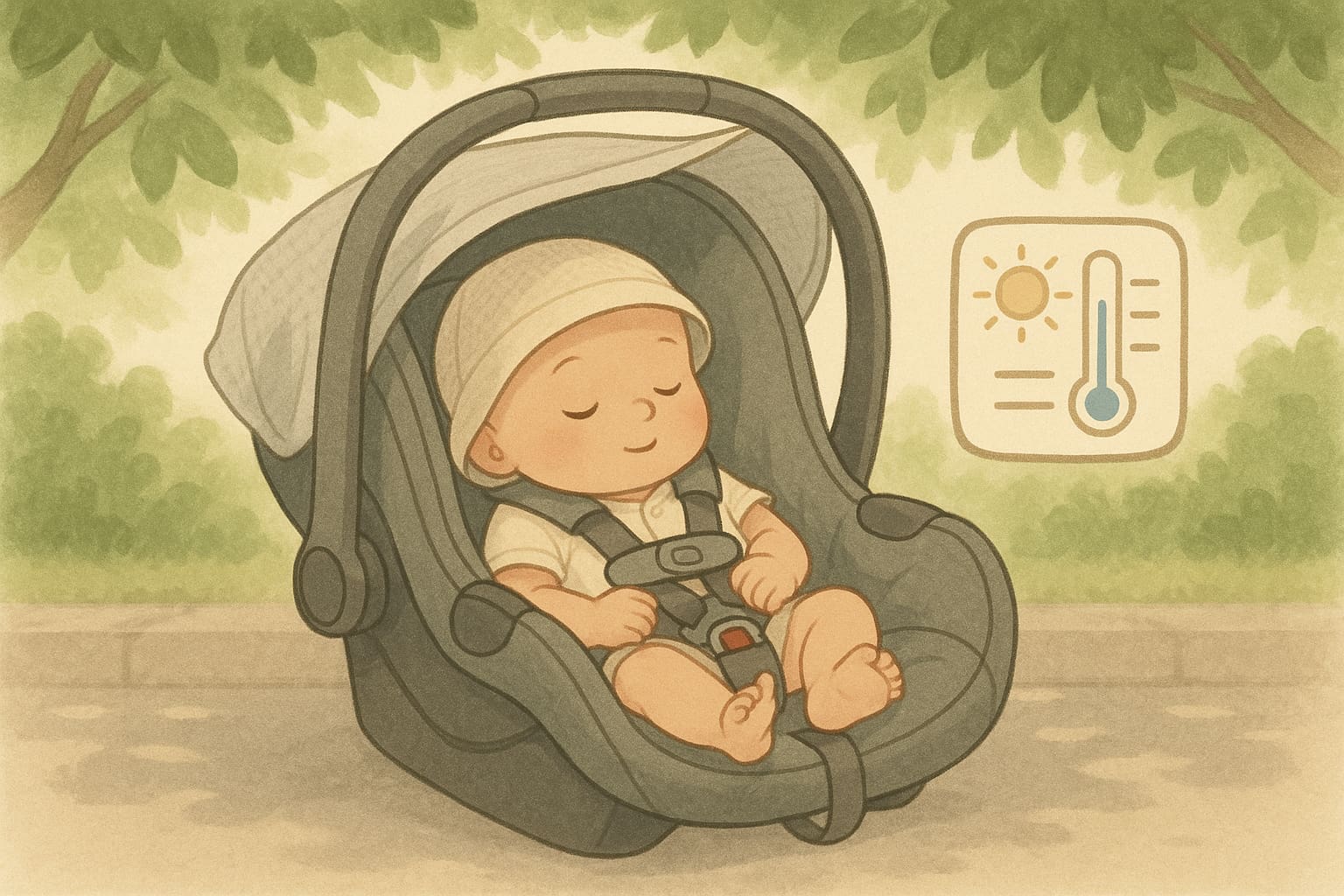
Keeping your baby at the right temperature in the car is key. Babies can’t regulate heat or cold like adults, so a little too hot or too cold can be risky.
✔ Dress baby in light layers instead of heavy coats.
✔ Use car seat–safe covers or thin blankets over the harness (never behind it).
✔ Always check baby’s neck or chest, not hands or feet, to judge warmth.
✔ Avoid puffy jackets, loose blankets, or space heaters.
✔ In summer, pre-cool the car before buckling in.
✔ In winter, warm the car first but keep airflow safe.
A cozy baby is a safer baby, and you’ll both enjoy smoother rides.
🔟 When to Transfer Baby After the Car Ride
It’s tempting to let your little one keep sleeping in the car seat after the ride. But experts say car seats are for travel, not long naps outside the car. Babies breathe best on a flat, firm surface.
✔ Once you’re home, move baby to a crib or bassinet.
✔ If you need a short stop, check on baby often and avoid long naps in the seat.
✔ Always unbuckle straps before moving baby indoors, never carry them inside still strapped.
❌ Avoid leaving the car seat on soft surfaces, like a couch or bed.
Your goal: safe sleep once the drive ends, every time.
➡️ Unsure about moving baby safely? Our Car Seat Base for Multiple Cars Guide helps parents find smart, flexible options that keep family travel simple and safe.
1️⃣1️⃣ Real-Life Parent Tips for Managing Car Naps
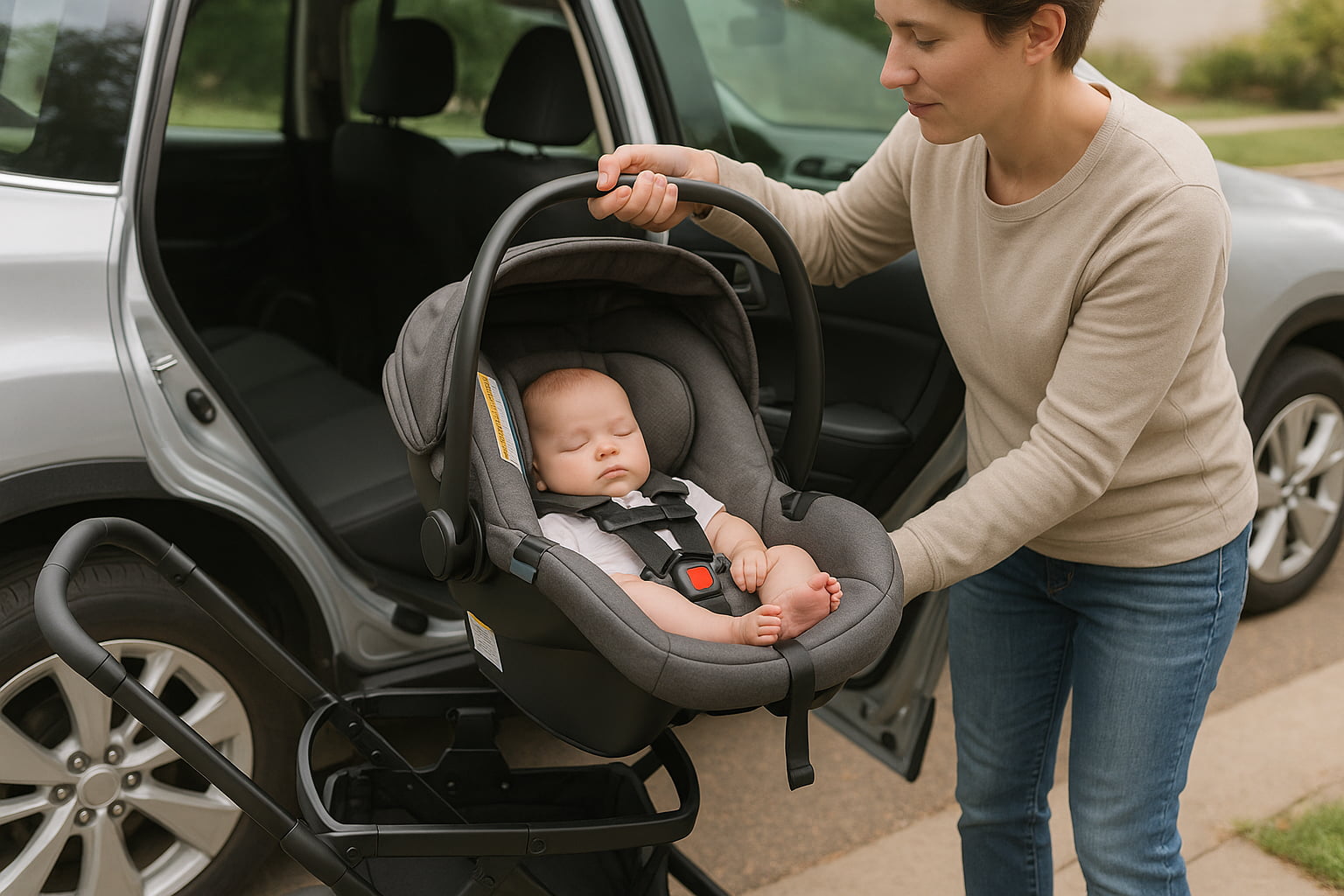
Parents know car naps can be tricky. Some moms say they plan drives around nap time to make life easier. Others keep a soft playlist ready so baby can drift off quickly.
💡 A smart tip: keep a light sunshade handy for bright days.
💡 Another parent favorite is keeping an extra pacifier or toy clip, so nothing gets lost mid-drive.
💡 Many parents also share that quick check-ins at rest stops help keep naps safe and calm.
Every family finds their own rhythm, but the key is comfort and safety first. Little habits go a long way in making car naps stress-free.
➡️ Wondering about budget-friendly safety? Our Evenflo LiteMax Car Seat Review explains comfort and safety parents can trust.
🏁 Final Verdict: Making Baby Naps During Car Rides Safer
Baby naps during car rides are almost a given for many families. The gentle hum of the road makes little ones fall asleep fast. But while car naps may feel easy, parents must remember one thing: safety first.
Car seats are made for travel, not for long hours of sleep. That’s why experts say babies should be moved once the ride is done. Allowing little ones to take long naps on the car’s outside seat may put them at greater risk.
The good news? Small changes can make naps relaxing and safe. Think soft sounds, light routines, and the right seat position. Keep loose items out, control temperature, and check in often.
At the end of the day, every ride is about balance. You can let your baby rest while knowing you’ve taken the right steps for comfort and safety. A little planning helps parents enjoy peaceful drives without worry.
⚠ Disclaimer
This guide is meant for information only and is not a substitute for professional medical advice.
✍️ By Find For Baby
We’re a team of parents who put safety first, here to help you find and use baby gear the smart way, so your time goes to cuddles, not concerns.